MAX COOPER

ABSTRACT
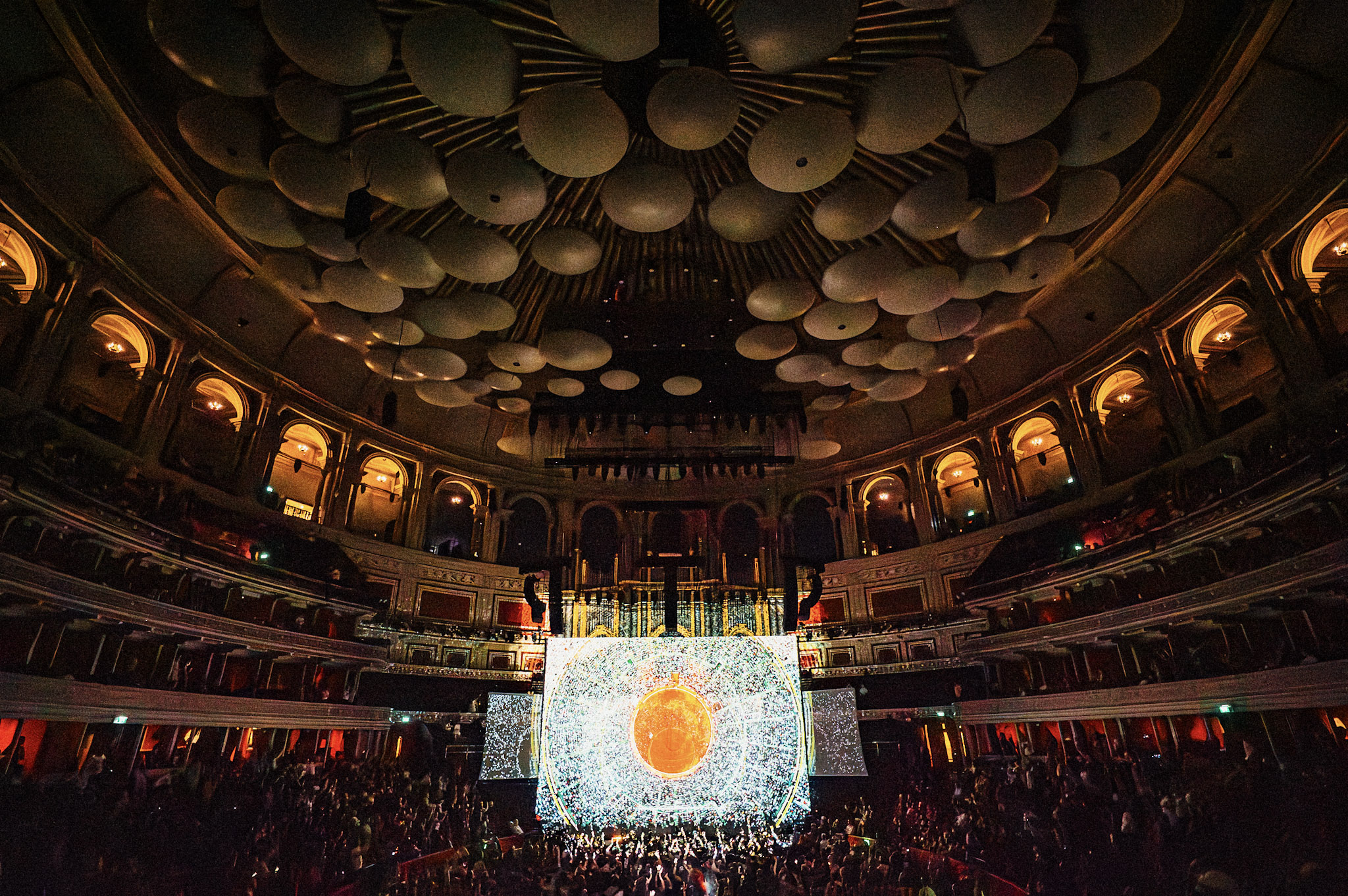
Many thanks for having a look at/listen to my new project. It started with an offer to create a show for the Royal Albert Hall in London. It's a huge historic concert space and I wondered what the earliest electronic show they had was, which turned out to be Leon Theremin in 1927 with his famous electronic instrument.
It demanded something new, so I started working on ideas for how to fill the space with light and sound, thinking about the connections between physical structures and music. This led me to thinking about how architects can embed their humanity into brutalist forms, painters can put their soul into blocks of colour, and I myself spent most of my life playing with abstract patterns in air density that we call music. It seems we have a capacity to spill ourselves out into almost any sort of structure in the world around us, and at the same time, we are, in a sense, the structure of neuronal firing in our brains.
There is a rich connection between structures and feelings in many ways, and our process of creating meaning by linking the two enriches our lives and makes us human. I can't imagine a life without music, I can't imagine being me, without a felt connection to these structures that I spend my life amongst. So that became the theme of the project. Each piece of music and visual story playing with a different type of structure and felt connection, with an emphasis on procedural pieces where particular structures are built with purpose from the idea up, rather than improvised as free expression as with much of my previous work.
So it's heavily electronic and rigid in some sense, but for me there can be just as much humanity in that form, it is after all, where we come from - the systems of nature. I also included one rework of an old track, which was built from a time reversing procedure using Alexander Randon's Fugue Machine, because it fit the themes and I wanted to have it as part of the live show. I hope that in there amongst all the systems you can feel some of those connections too.
CONTENTS
PATTERN INDEX
Katia Schutz, Jack Fisher
Rather than starting with some feeling or visual scene to map to music as I would usually do, I wanted to start with the process for generating the structure and see what happened if I just kept adding more and more. For a long time it wasn't working, but I just kept adding layers of patterns on top of each other and eventually some magic happened. Because of that approach the music needs some time to layer and develop. I hope you have a moment to spare for it.
Visually I was interested in this index of patterns applied to the built environment. I chatted to Katia Schutz and Jack Fisher about how we could identify particular motifs in architecture and highlight them as the building blocks of the world around us the same way as I had applied a barrage of melodic pattern building blocks musically. Katia focused on the stop frame layering of pattern sequences whilst Jack drew on his collection of time lapse footage to connect the patterns to us living amongst them. Many thanks to Katia and Jack for the beautiful project.
back to contentsBECOMING
Brandon Eversole
I wanted to capture some of the vast scale of the mapping of structure to feeling that constantly emerges around us in life. The universe intricately structures itself into information processing systems, models its own existence and pops out self awareness. It's a process full of mystery and awe which I wanted to try and capture with a scifi score approach full of space. Brandon Eversole captured that mystery visually with the emergence of an undefinable pair, only present in relation to one another and not seemingly constructed from anything despite directing the flow of everything around them. It's an abstract one all the way down.
back to contentsTHE SHAPE OF MEMORY
Factory Fifteen
As part of the Feeling is Structure project I've been looking for structures that trigger us, whether it's architecture, music, visual arts, facial structures, dance etc. But I'm also interested in the internal representations of our states of mind, using MRI scans and neural network-esc structures for the live shows. One of these sorts of angles that came up was the shape of memory, the idea to present our memories in visual form in collaboration with Factory Fifteen.
The starting point was to request images which represent important memories from those people on our mailers and socials. Factory Fifteen took these images and used a Gaussian splat technique to extrude them out from their native 2D into these beautiful paintlike 3D models. We leaned into the artifacts and lossy nature of the imagery as a way of representing our memories which are always incomplete and which are rewritten to some degree with each recall, making them fallible and abstracted away from their real life source. The technique represented those ideas, and also allowed for fusing memories into some sort of life story.
Musically I went for a classic retro synth timbre with lots of irregular detailing, but it's all about the feeling of the chord progression really, that's where the feeling of the idea comes though, if you can hear what I mean.
back to contentsSPLINTERED AIR BETWEEN US
back to contentsComing soon.
OBSESSIVE COMPULSIVE ORDER
Ksawery Komputery
Making music is an obsessive process for me. I can easily spend 15 hours a day repetitively fiddling with tiny details no one else cares about, with a maddening sense of some Platonic ideal that exists that I need to reach, but which I can't. For this track from the Feeling is Structure album I decided to lean into that process in combination with a recent obsession over bass sounds. What is the structure of an endless correction? It was a joyous obsession of structure with only a touch of pain. I wish I could spend longer on it, but the music was made for an event at the Royal Albert Hall in London, and had to be finished. Sometimes that's not a bad thing, maybe I would have wrecked it if I'd kept going, or got sick of it and binned the whole project, both of which often happen with these sorts of tracks.
Visually I went to an artist I've collaborated with many times before who shares my obsessions over structural details and is a fellow submitter of final_final_17 versions in order to get things right, the great Ksawery Komputery. We spoke about the process and the resulting Ableton session which was a complex mess of all of the editing that had gone in, and how that structure itself was a good visual representation of the process and idea, which could seed the music video too. Everything you see is authentic structure from that composition and production process. We also wanted to connect the idea to our wider lives, adding in the personal alerts that drive our minute to minute compulsive actions.
back to contentsBASS MOSAIC
Catmac
I was interested in the feeling of concrete cityscapes and brutalist architectures so I chatted to Marcos Fernández Díaz about the idea and he made this visual to work with the rhythmic structure of my Bass Mosaic track.
I wanted to fuse my love of bass and house together for the music. I avoided any melodic distraction and went for alternations of straight up percussive structure and something more broken, with a peppering of bass sounds throughout. There's a really particular feeling of this sort of structure that brings me back to the Bomb in Notts, Sankeys in Manchester, Passion red room in Coalville and the places where I first experienced house with huge warm lows in the early 00's when we would travel all over the country to get to the best parties. It's a track for a particular context, I'm sure you'll feel what I mean.
back to contentsTHIS IS A BRIDGE
back to contentsComing soon.
FOUR TONES REFLECTED
Vlad Dita
This is an old piece of music which I reworked for this album because I was interested in finding procedural music, created from rules and systems, as a way of embedding the feeling of structure into the record. In this case that procedure was 4 notes in sequence, with 3 playheads in Alexander Randon's Fugue Machine, so that the 4 notes are played at different rates and played forwards as well as backwards, with reflecting play throughs – Four Tones Reflected. Despite this potentially inhuman approach, it feels to me to capture a huge amount of emotion, which was the story I was trying to tell with the Feeling is Structure record.
Visually, I was interested in how we could embed physical structures in space capturing the human side of the story in the feeling of the audio structure. I got in touch with Vlad Dita who creates beautiful and abstract, but specially grounded visualisations of us in our daily lives. The everyday nature of the scenes combined with the architectural structures they exist within was a perfect fit for the album story. Many thanks to Vlad for the beautiful work.
back to contentsEBB + FLOW
Yoshi Sodeoka
I wanted to play with the structure of ebb and flow, with simultaneous rising and falling tones creating harmonies, and softly flowing synths with my favourite P6 vibe with those magic resonant overtones.
Visually I was interested in connecting the everyday world to something like the Platonic realm, or at least, our models of what the world is, as an ebb and flow between the two, so I immediately thought of Yoshi Sodeoka's beautiful work and got in touch to discuss ideas. There's a bunch more examples of ebbing and flowing in there too which I'm sure you'll spot. I tried to keep it all super stripped back and focused on that idea, so there's barely anything else in there, I hope it provides some warm pulsations for you, that's what I was aiming for at least!
back to contentsCHRYSALIS
back to contentsComing soon.
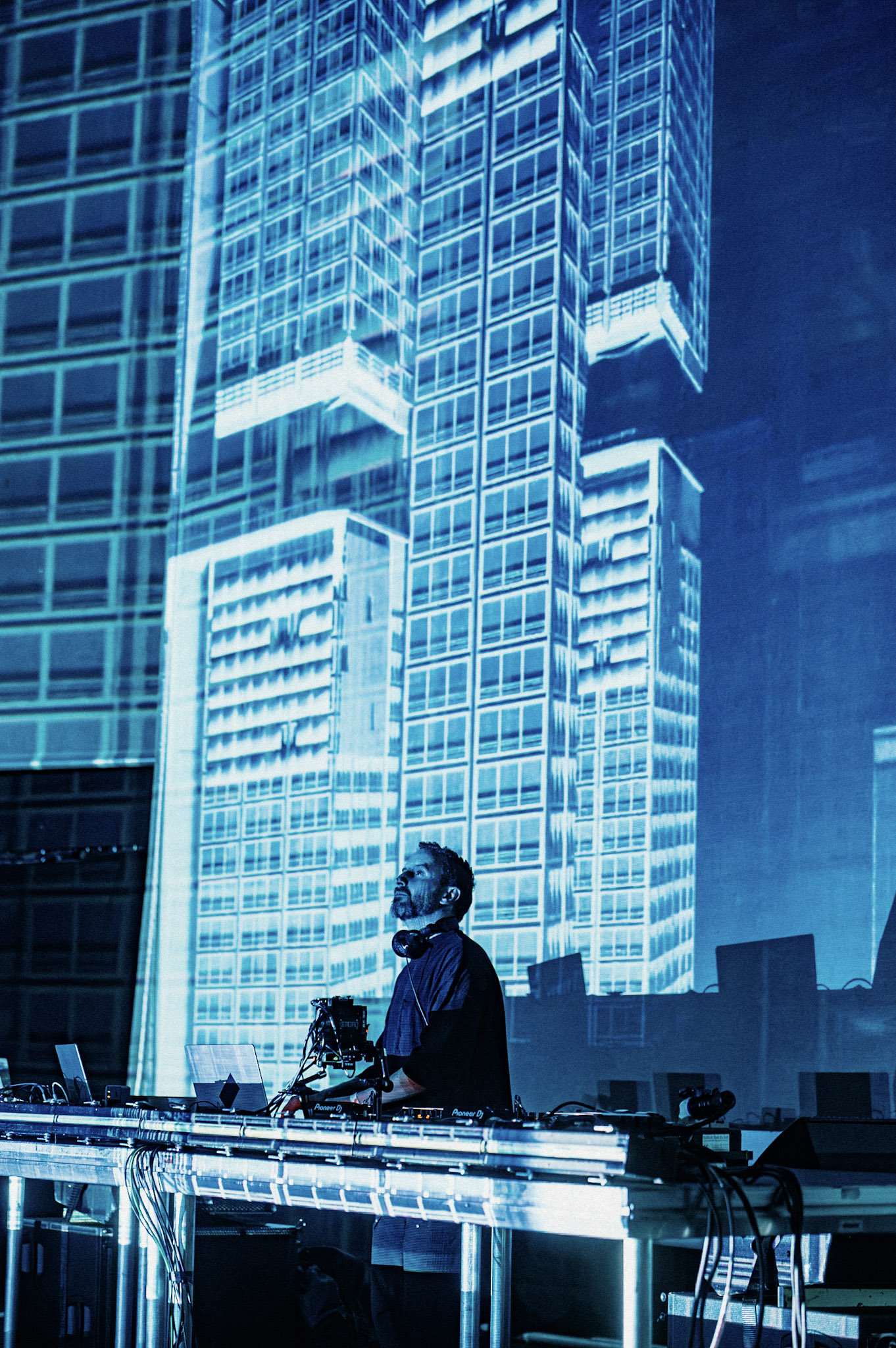
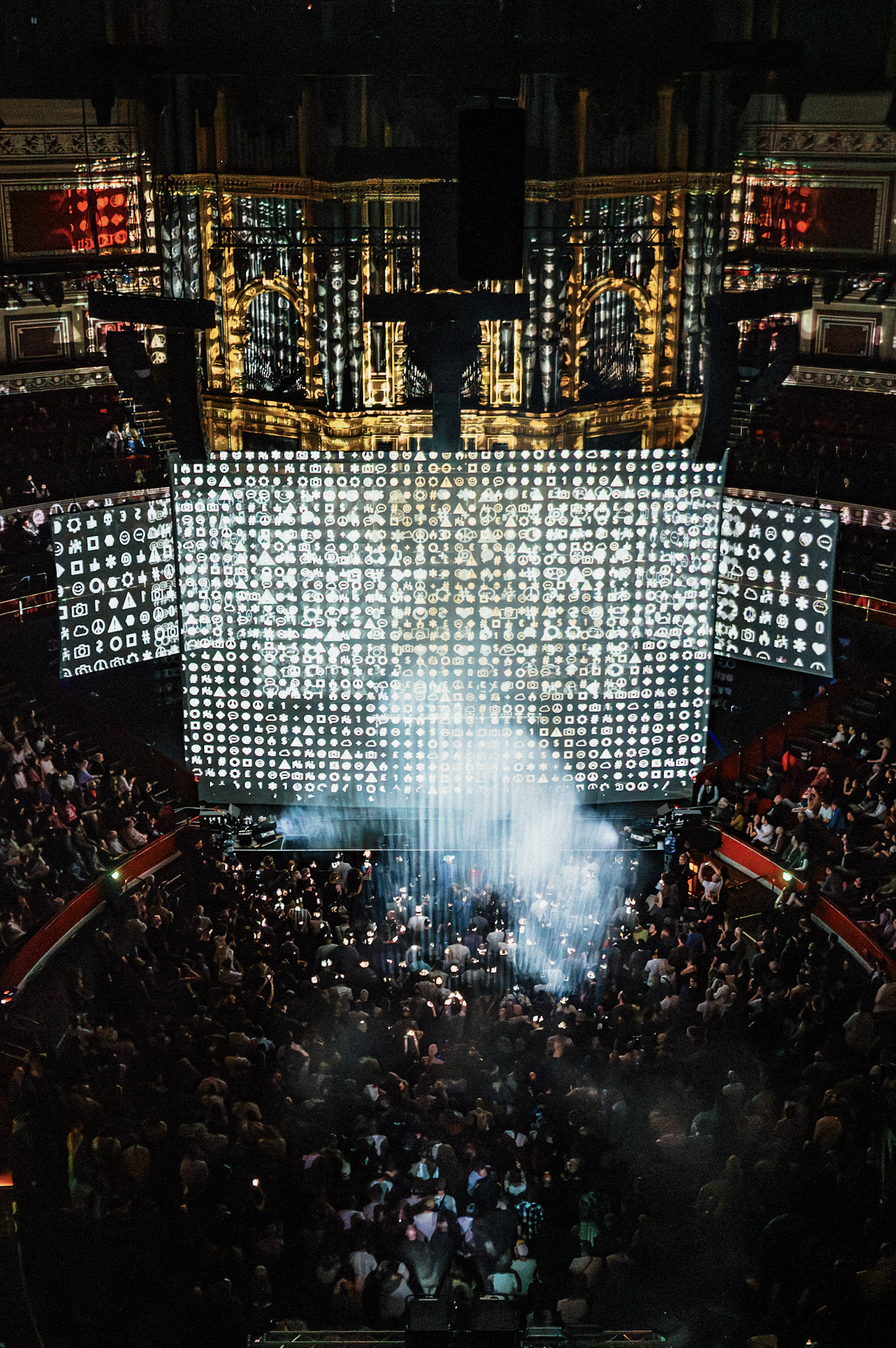
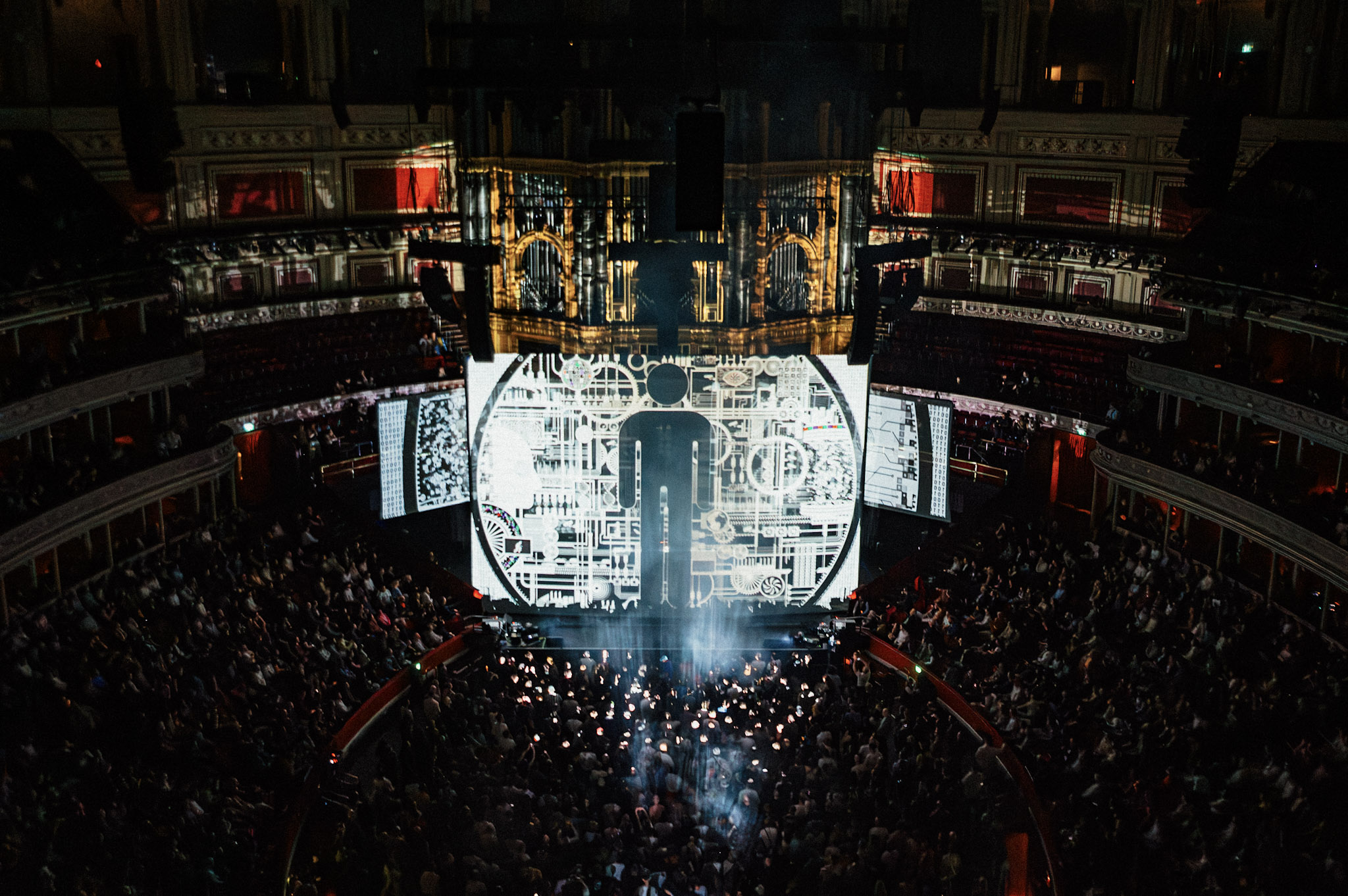
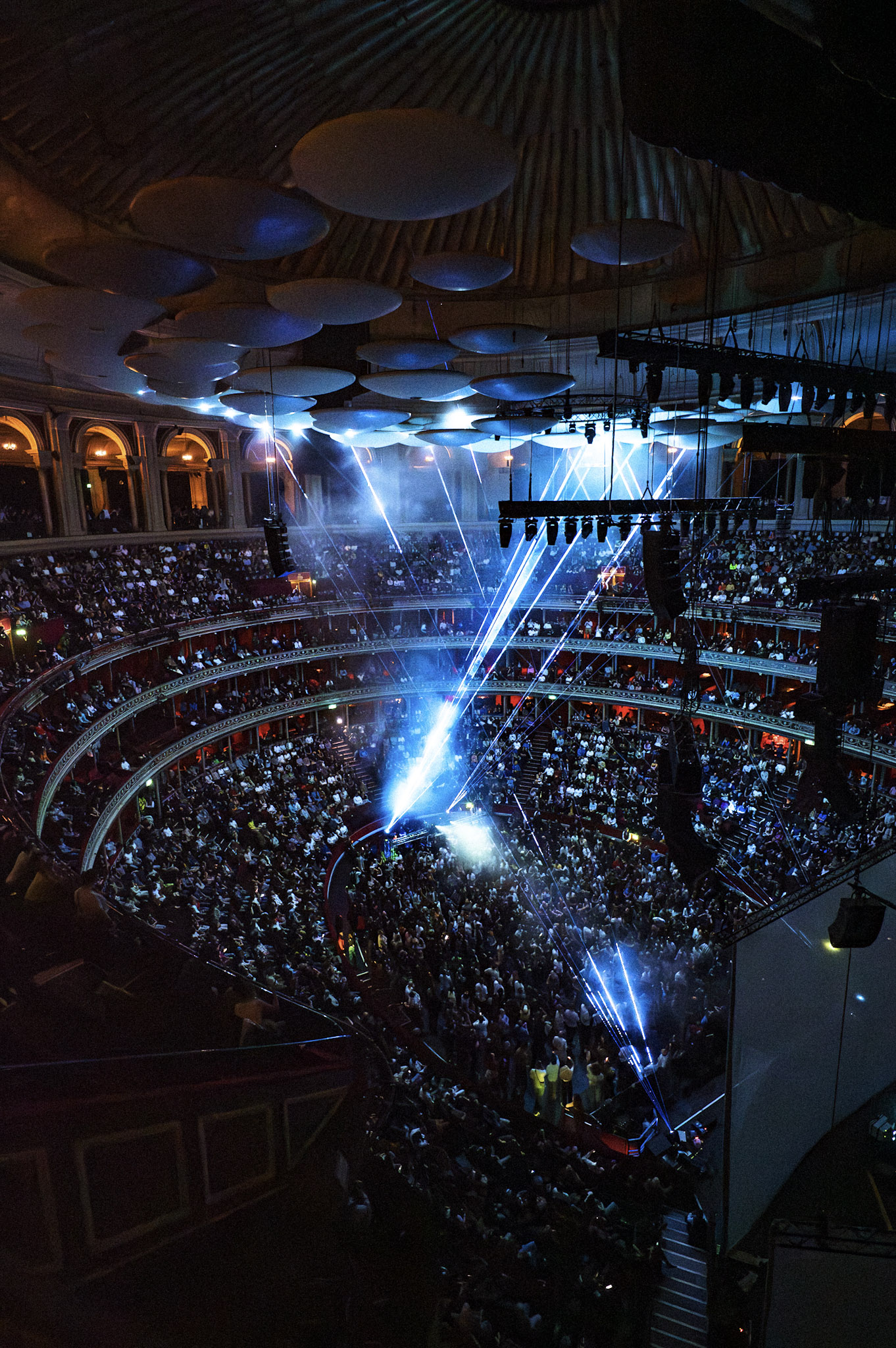
LIVE
DOLBY ATMOS
Feeling Is Structure has been created in Dolby Atmos using object-based spatial audio, where every sound moves in a three-dimensional space to turn each piece of music into a living structure around you. The point of this is to deliver the ideas and feelings of the music more powerfully, and to allow for the detailing and micro structures of the music to be heard more clearly.
You can access the Atmos mixes via enabled streaming platforms and hardware. For headphone listening without head tracking the stereo mixes are recommended, as they already contain a lot of binaural elements. The Atmos mixes work best on multi speaker set ups and headphones with head tracking.
The surround sound Atmos mixes were created by Richard Burki / Future Phonic Studios and Max Cooper.
Listen to Feeling Is Structure in Dolby Atmos